
The FINWEL Blog.
Clear, practical writing on tax, investing and cross-border money from the team that files, reviews and advises on real returns every day.
Tax filing, mutual funds, ETFs, US stocks and NRI money. Written in-house, not by a content desk.


WHY OPTION BUYER LOSE
Arihant · 24 Nov 2026

How Smart Money Manages Risk
Arihant · 24 Nov 2026
FINSIGHT, SEPTEMBER 2026
Step back from our market and September looks different. Japan is up 34% this year. The Nasdaq is up 15.6%. London is up 7%. India is down around 14%. So...
Arihant · 17 Nov 2026
FINSIGHT, October 2026
In September, the world was selling India. In October, it sold technology stocks instead. The US Nasdaq fell 5.3%, its worst month since March 2025. Japan...
Arihant · 14 Nov 2026

WHAT HAPPENED TO NVIDIA ?
Arihant · 14 Nov 2026

India-Germany: A Strategic Partnership Beyond Diplomacy
Arihant · 13 Nov 2026

The U.S. midterm election results moved markets but not in a straight line.
Arihant · 7 Nov 2026

NRI Investing in India: New Routes Beyond NRE and NRO
Arihant · 4 Nov 2026

India-US Trade Talks: No Deadlines, Just Strategy
Arihant · 4 Nov 2026

Vedanta: Delisting Attempt, Demerger and Global Listing Plans
Arihant · 4 Nov 2026

Market Makers: The Hidden Engine Behind US Stock Trading
Arihant · 4 Nov 2026

India’s Growth Story 2026: GDP Outlook of 6.8% to 7.2%
Arihant · 4 Nov 2026

Sovereign Gold Bond 2020-21 Series XI: Early Redemption at ₹15,374
Arihant · 4 Nov 2026

India-Canada Uranium Deal: Why It Matters
Arihant · 4 Nov 2026

Union Budget 2026-27: Key Highlights for Investors
Arihant · 4 Nov 2026

India-EU Free Trade Agreement: What It Means for Investors
Arihant · 4 Nov 2026

Is the US Stock Market Too Dependent on AI?
Arihant · 4 Nov 2026

Why the 5.31% US 30-Year Treasury Yield Matters
Arihant · 4 Nov 2026

US Treasury Yields Cross 5%: Why Global Markets Care
Arihant · 4 Nov 2026

The Company Missed Earnings So Why Did the Stock Go Up?
Arihant · 23 Oct 2026

What is insider trading?
Arihant · 15 Oct 2026

RBI Raises Repo Rate: What Changes for You?
Arihant · 9 Oct 2026

What is an ADR?
Arihant · 6 Oct 2026

India–Japan: A New Investment Era
Arihant · 25 Sep 2026

India–UAE: Growing Together
Arihant · 25 Sep 2026

India’s Mid-Tier IT Opportunity
Arihant · 25 Sep 2026

How Scheduled US News Moves Global Markets
Arihant · 23 Sep 2026

China’s AI Boom: Investment Opportunity or Geopolitical Risk?
Arihant · 23 Sep 2026

US Stocks vs. Treasury Bonds: Where Is Money Moving?
Arihant · 23 Sep 2026

Why Higher Oil and Yields Matter for US Equities
Arihant · 18 Aug 2026

Five Important Things to Know Before Investing in US Stocks from India
Arihant · 17 Aug 2026

Why More Indian Investors Are Choosing US Stocks
Arihant · 17 Aug 2026

JioBlackRock’s Global Funds Through GIFT City: A Guide for Indian Investors
Arihant · 17 Aug 2026

Mutual Funds: A Simple Way to Invest and Build Wealth
Arihant · 11 Aug 2026

Liquid Funds: A Simple Way to Park Your Short-Term Money
Arihant · 11 Aug 2026

India’s Forex Reserves Reach a Three-Month High
Arihant · 11 Aug 2026

AI Investment Is Moving Beyond Software
Arihant · 11 Aug 2026
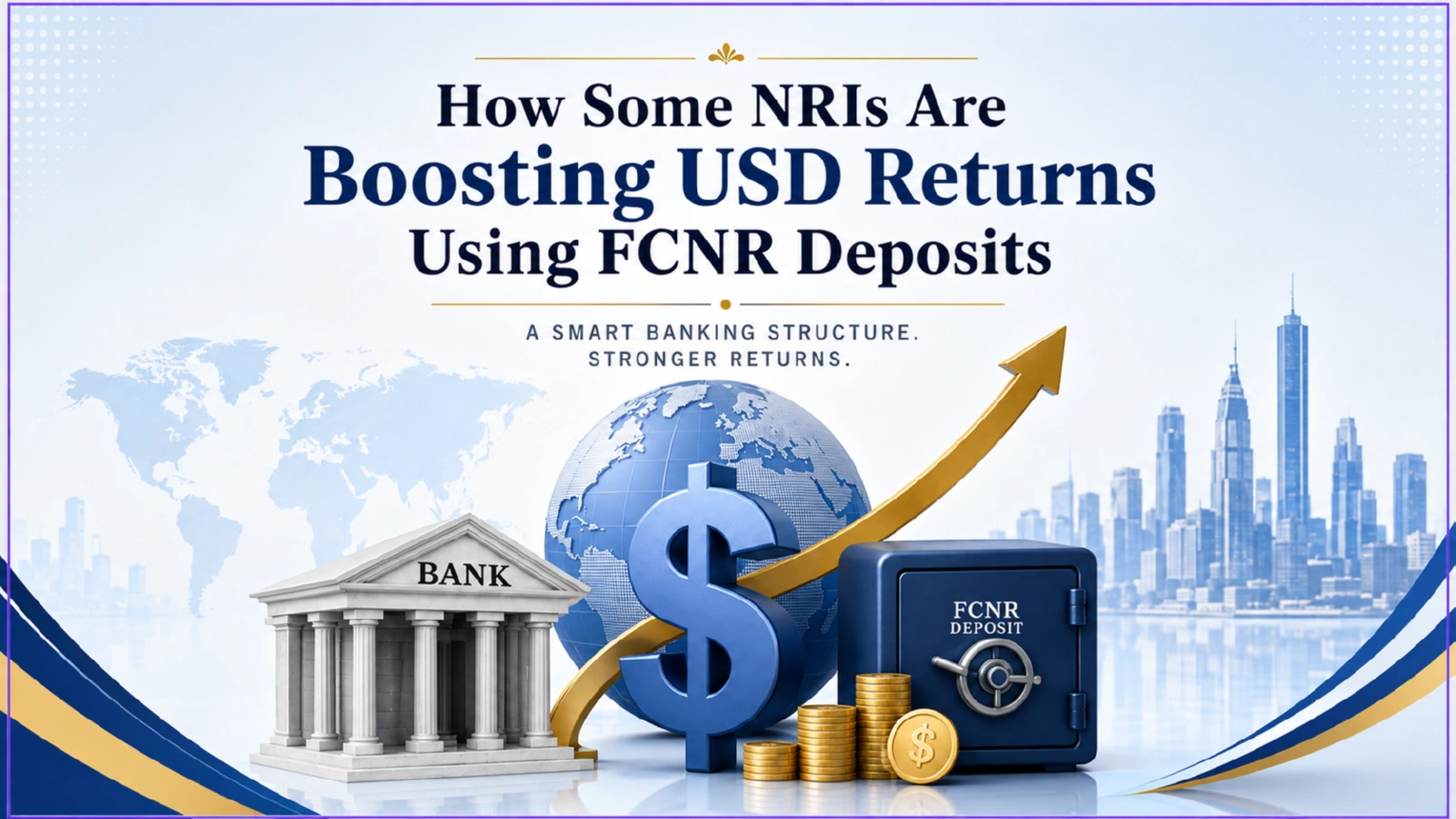
How Some NRIs Are Boosting USD Returns Using FCNR Deposits
Arihant · 5 Aug 2026

SpaceX Enters the Stock Market
Arihant · 4 Aug 2026

Ways Indian Investors Can Invest in Foreign Stocks
Arihant · 4 Aug 2026

India Widens the Portfolio Investment Route
Arihant · 4 Aug 2026

GIFT City Is Winning… But Only Half the Battle
Arihant · 4 Aug 2026

India Makes Government Bonds More Attractive for Foreign Investors
Arihant · 4 Aug 2026

Invest Globally Through GIFT City
Arihant · 4 Aug 2026

Old regime or new regime: the deductions you actually lose
The lower slab rates of the new regime come at the cost of a long list of deductions and exemptions. A look at which ones go, which ones survive, and how to work out which regime leaves you better off.
Team FINWEL · 30 Jul 2026

Schedule FA: disclosing foreign shares and ESOPs in your return
Foreign shares and vested ESOPs have to be disclosed in Schedule FA, whether or not you sold anything. What the schedule asks for, which period it covers, and why the disclosure matters even in a loss year.
Team FINWEL · 30 Jul 2026
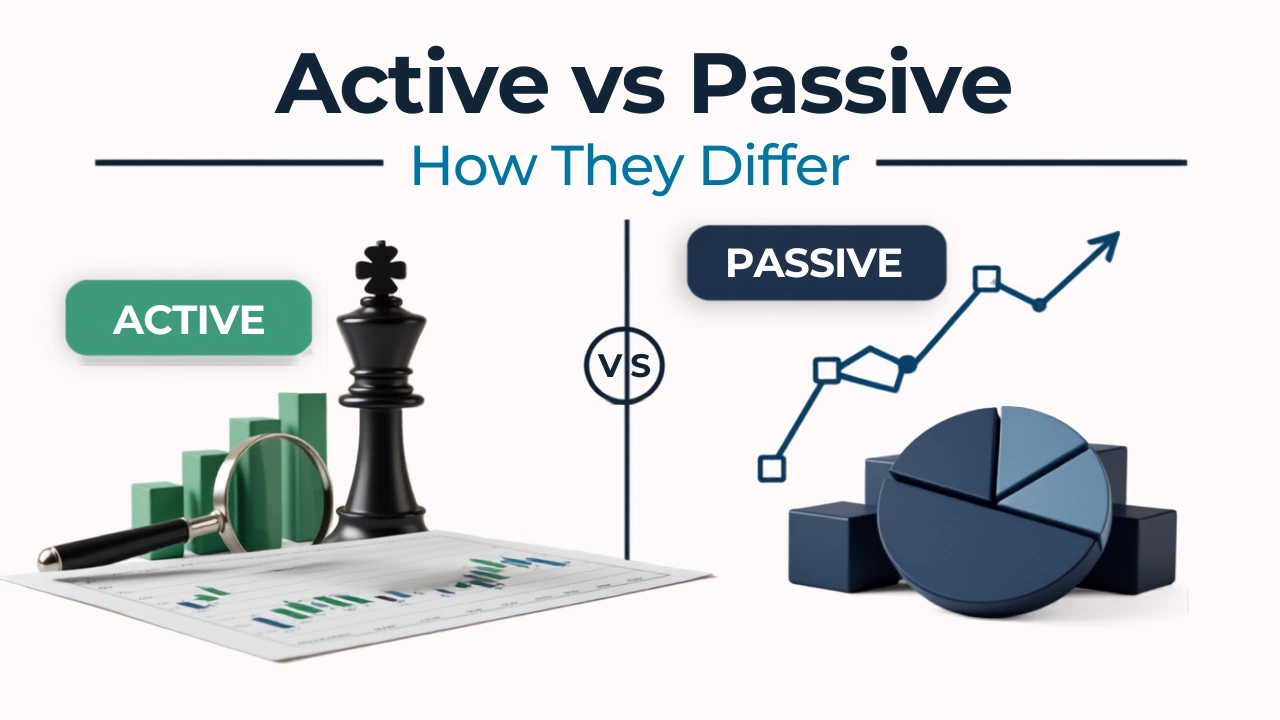
Active and passive investing: how the two approaches differ
One approach pays a manager to pick holdings, the other tracks an index and keeps costs low. A plain comparison of what each is trying to do, and what you are paying for in either case.
Team FINWEL · 30 Jul 2026

What are active funds?
An active fund employs a manager and a research team to choose what the scheme holds. How that mandate works, where the expense ratio goes, and what to look at before you judge performance.
Team FINWEL · 30 Jul 2026

What is a passive fund?
A passive fund sets out to mirror an index rather than beat it. What that means for costs and holdings, and why tracking difference is the number to watch instead of a manager view.
Team FINWEL · 30 Jul 2026

What is a credit risk fund?
A credit risk fund holds lower rated debt in exchange for a higher yield. What sits inside one of these schemes, how the risk actually shows up, and who they are and are not meant for.
Team FINWEL · 30 Jul 2026

ETFs and mutual funds: the differences that matter
Both pool money into a portfolio, but you buy one on an exchange and the other from the fund house. How pricing, liquidity, costs and the practical mechanics diverge.
Team FINWEL · 30 Jul 2026
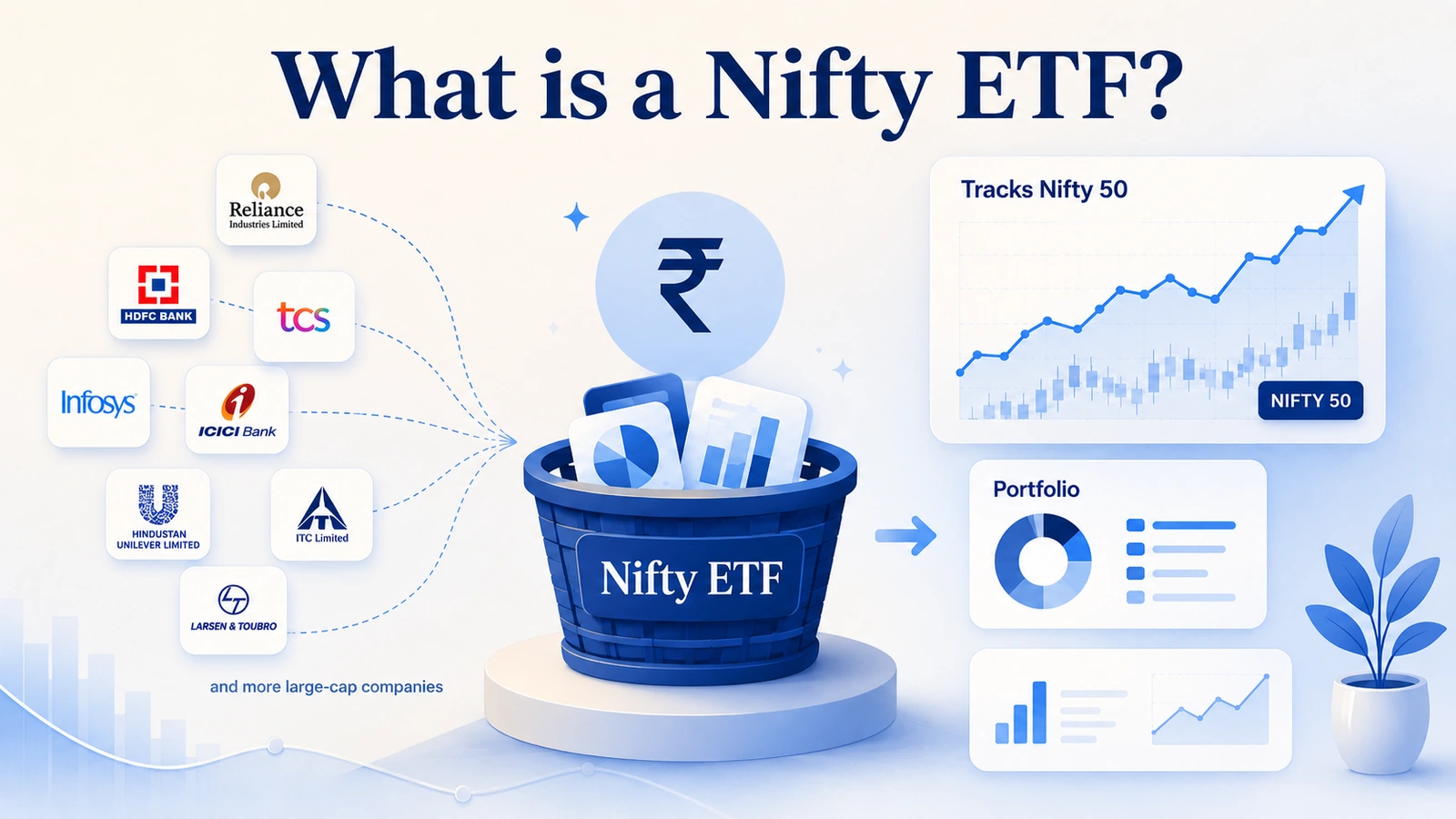
What is a Nifty ETF?
A Nifty ETF tracks the index and trades like a share through the day. How it is built, what the price on screen represents, and the points to check before you buy one.
Team FINWEL · 30 Jul 2026

What is a Gold ETF?
A Gold ETF gives you exposure to the metal in a demat account rather than a locker. How the units are backed, what the ongoing costs are, and how it compares with holding physical gold.
Team FINWEL · 30 Jul 2026
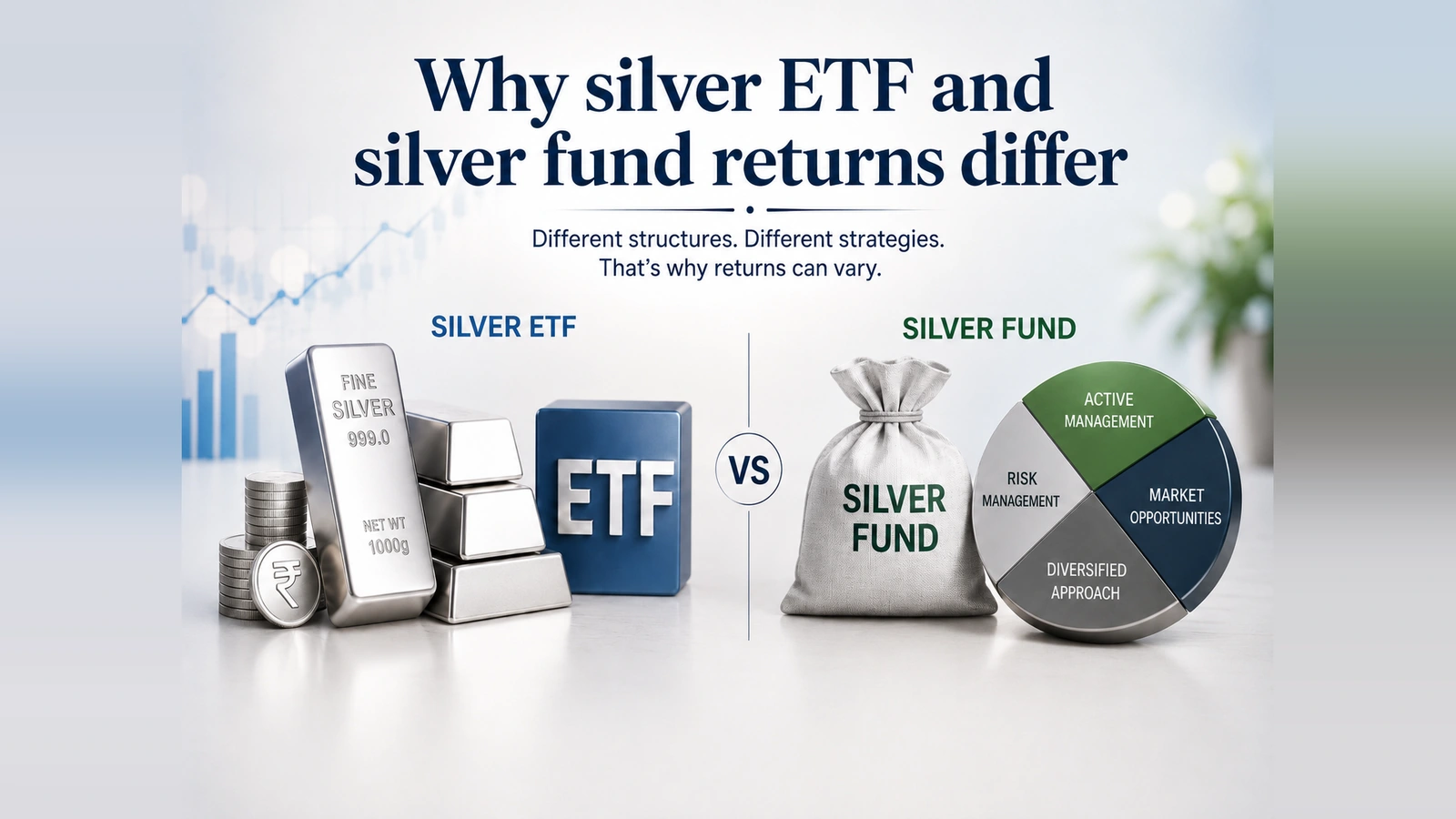
Why silver ETF and silver fund returns differ
Two products tracking the same metal can report different returns over the same period. Where the gap comes from, including the extra layer a fund of funds adds, and how to read the numbers fairly.
Team FINWEL · 30 Jul 2026

What is LRS and what is the limit?
The Liberalised Remittance Scheme is the route a resident individual uses to send money abroad, including to buy foreign shares. What it covers, what the annual limit is, and what gets collected at source.
Team FINWEL · 30 Jul 2026

Investing in US stocks from India: the pros and the cons
Access to global companies and currency diversification on one side, remittance friction, extra disclosure and different tax treatment on the other. An even-handed look at both.
Team FINWEL · 30 Jul 2026

Ways to invest in US stocks from India, compared
Direct broking accounts, feeder funds, index funds with international exposure and exchange routes all get you there differently. A comparison on cost, control, paperwork and reporting.
Team FINWEL · 30 Jul 2026

Indian companies listed on US exchanges
A handful of Indian names trade on US exchanges, mostly as depositary receipts. What a receipt actually represents, how it relates to the local listing, and what to keep in mind.
Team FINWEL · 30 Jul 2026

10 things to consider before buying US stocks
Costs, currency, remittance limits, disclosure duties and estate rules all change the picture. A checklist to work through before the first order goes in.
Team FINWEL · 30 Jul 2026

F&O Losses and Your Tax Return: What Most Traders Get Wrong
Every year thousands of F&O traders file incorrectly and never find out. F&O income is business income, losses are an asset if you use them right, and intraday is walled off separately. Here is what actually matters before you file.
Team FINWEL · 28 Jul 2026